OTT vs. CTV: What's the Difference (and Does It Matter)?
By Ian McCue ·
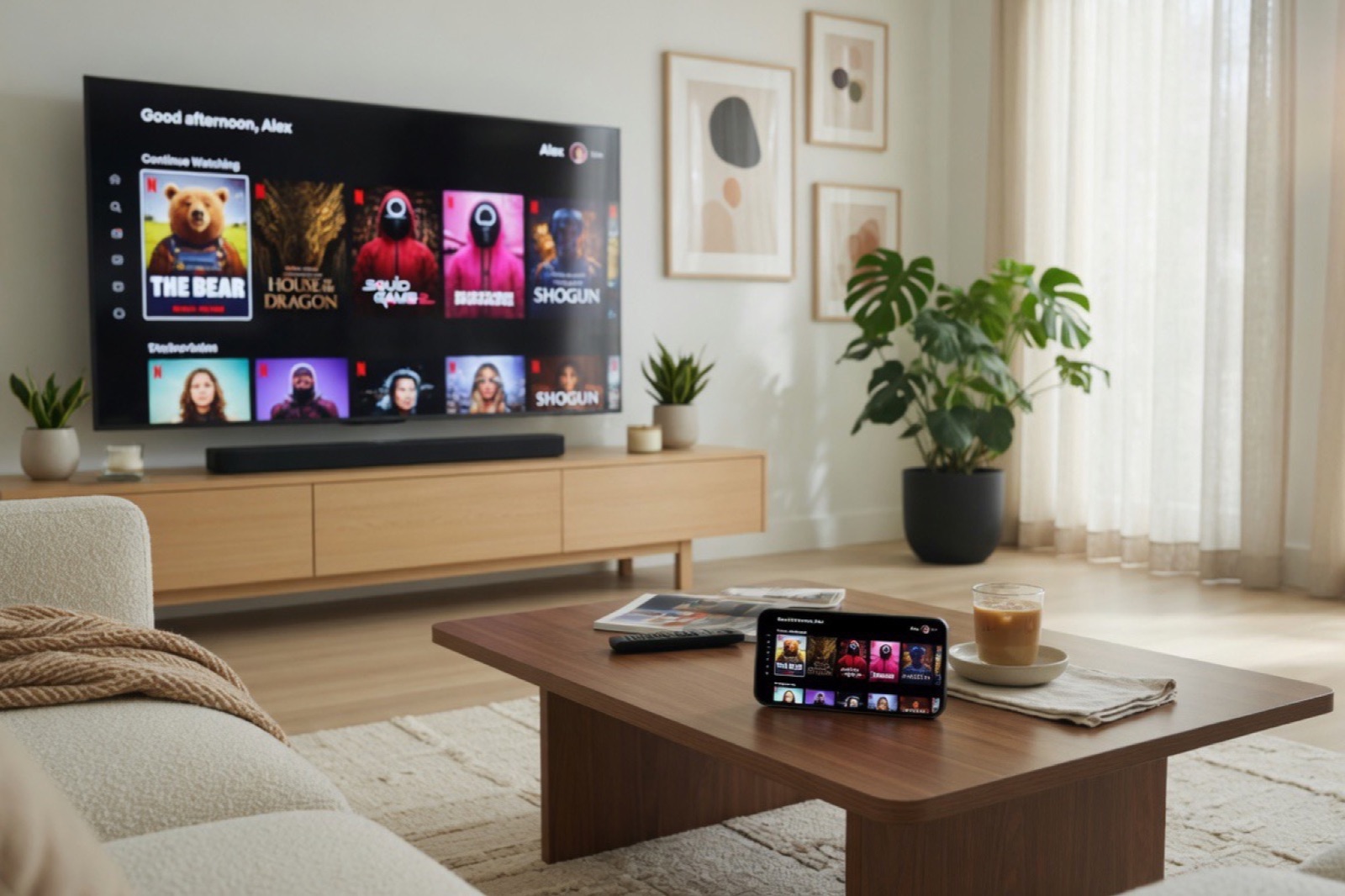
OTT vs CTV. CTV vs OTT. You'll find entire conference panels devoted to the distinction, and honestly, most of them make it more confusing than it needs to be. The difference is real, but it's small. And for a business owner deciding where to spend ad dollars, it almost never changes what you actually do. Here's the short version, the long version, and our honest take on which part you should care about.
Quick answer
OTT is the content. CTV is the screen. That's it. One sentence. The rest of this post is context.
- OTT (over-the-top) = streaming video delivered over the internet, on any device.
- CTV (connected TV) = a smart TV or a device plugged into a TV (Roku, Fire TV Stick, Apple TV, game console).
- Streaming TV = the everyday phrase normal humans use for all of it.
Most OTT viewing happens on a CTV. So most of the time a single ad impression is both an OTT ad and a CTV ad simultaneously. The terms overlap more than they diverge.
What OTT means
OTT stands for "over-the-top." The "top" is the old cable or satellite box. OTT skips that box entirely and delivers video straight over the internet. Prime Video, Hulu, Tubi, Pluto TV, Peacock. All OTT. You don't need a cable subscription. You need Wi-Fi and an app.
The key idea: OTT describes how the content reaches you, not what screen you watch it on. Stream a show on your phone during lunch? OTT. Stream the same show on your living-room TV tonight? Still OTT. The delivery method didn't change. The screen did.
For a deeper walkthrough of OTT as an ad format, we wrote a full guide on what OTT advertising is and how it works.
What CTV means
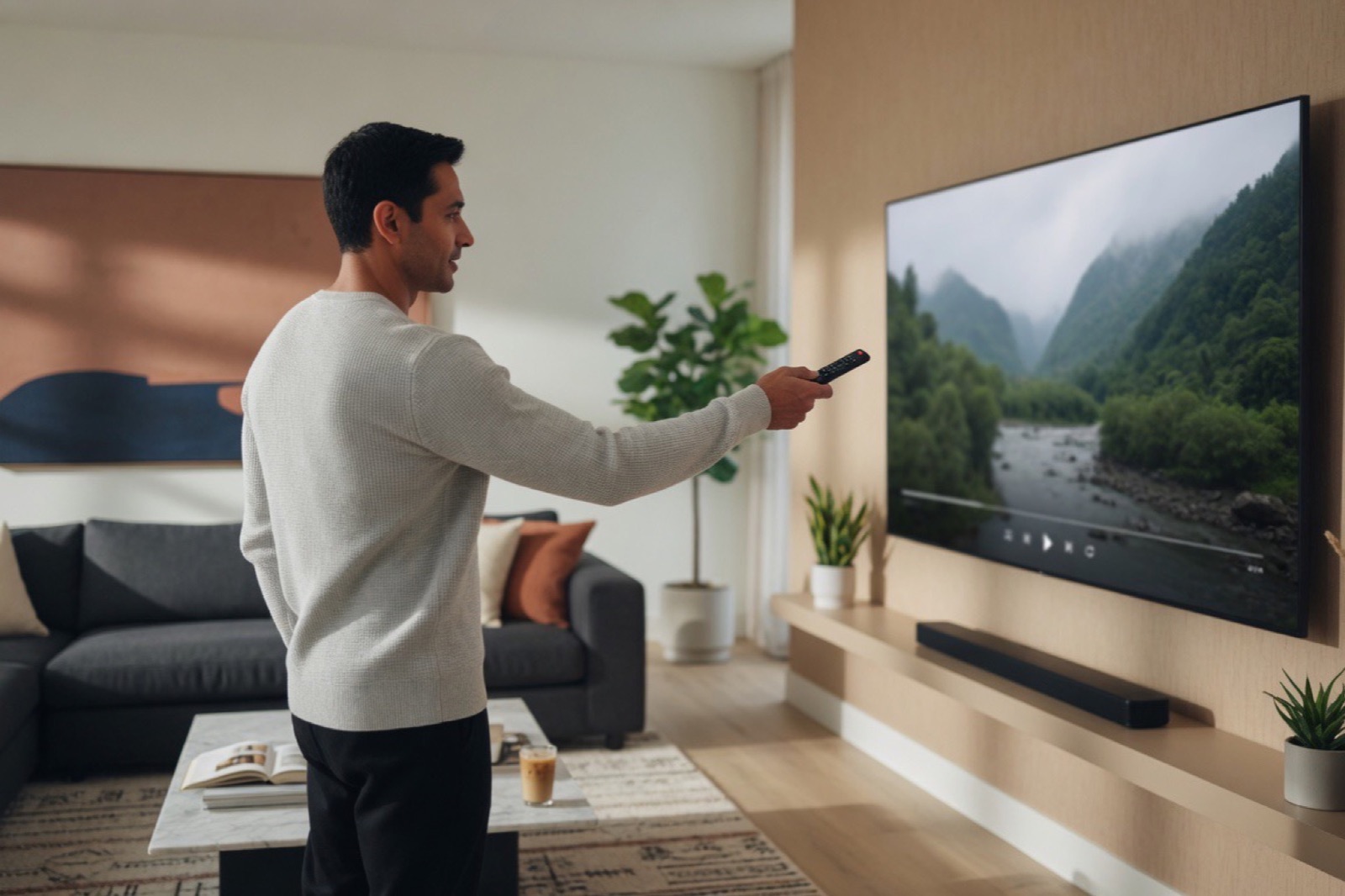
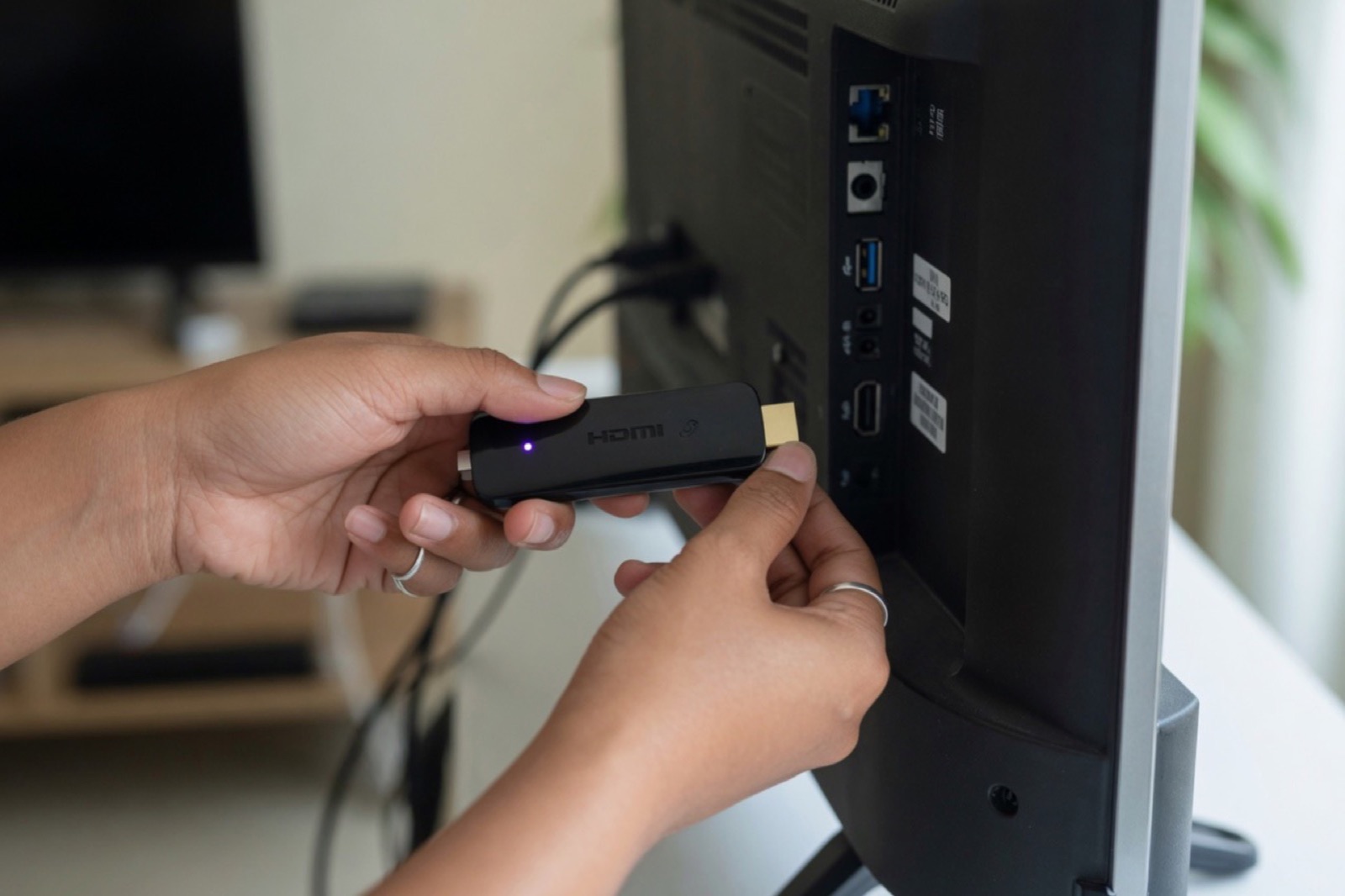
CTV stands for "connected TV." It refers to any television set that can connect to the internet and stream content. That includes smart TVs with built-in apps (Samsung, LG, Vizio) and older TVs made smart by a plugged-in device like a Roku, Amazon Fire TV Stick, or Apple TV.
The key idea: CTV describes the hardware. It's the physical screen in the room. A phone is not a CTV. A laptop is not a CTV. A 65-inch Samsung with the Prime Video app? That's a CTV.
Why does CTV get its own acronym? Because advertisers care about screen size and viewing context. Someone watching on a big TV in their living room is leaned back, full-screen, sound on. That's a different attention environment than someone scrolling a phone on the bus. CTV signals that premium, lean-back context.
Where OTT and CTV overlap
This is where people get tangled. Here's the honest picture.
The vast majority of OTT viewing happens on a connected TV. So for most ad impressions, OTT and CTV describe the same moment from two angles. The content is OTT. The screen is CTV. One ad, two labels.
They only diverge at the edges. Watch a streaming show on your phone and the ad is OTT but not CTV (because a phone isn't a TV). Watch a YouTube video on a smart TV and the ad is CTV but some people wouldn't call YouTube "OTT" in the traditional sense. These edge cases exist. They rarely matter for buying decisions.
A useful mental model: OTT is a circle. CTV is a circle. The overlap in the middle is enormous. That overlap is where almost all the money gets spent. The slivers outside it are real, but small.
Which one matters for advertisers?
Honestly? Neither acronym matters much. What matters is three things: who sees your ad, where they live, and whether the creative is good enough to hold their attention for 30 seconds.
That's our actual experience running campaigns for small businesses every day. Nobody's customers care whether the impression got tagged "OTT" or "CTV" in an ad server. They care whether the ad was relevant, whether the business was nearby, and whether the offer was interesting.
How we think about it
We don't sell "OTT campaigns" or "CTV campaigns" separately. We run streaming TV advertising that reaches the right people. A typical four-week campaign on Trusted TV delivers about 9,100 views and reaches about 5,900 people. Those people are targeted by ZIP-code radius (median 10-mile radius) and Amazon's first-party audience data, not by device type. The targeting is what drives results. The acronym is just a label on the pipe.
Trusted TV platform data, 2026. Medians shown.
If you're evaluating platforms, here's what to actually ask:
- Can I target a specific geography? ZIP-code or radius targeting keeps your budget in your service area.
- What audience data is available? First-party data (like Amazon shopping behavior) beats guessing.
- What's included in the price? Some platforms quote a low CPM, then charge separately for creative and management. On Trusted TV the all-in CPM averages about $42.50 per 1,000 views, and that includes the commercial we make for free.
- How fast can I launch? The median business on our platform goes from signup to live in about 41 minutes.
None of those questions require you to know whether the impression was technically OTT or CTV. They require you to know your audience and your budget. For the full cost picture, see our breakdown of streaming TV advertising costs. And if you want to understand how the ads actually run on Prime Video specifically, our guide to how Prime Video ads work covers it step by step, and we break down how to advertise on Roku, one of the most common CTV devices.
The bottom line: OTT and CTV are two sides of the same coin. Learn the definitions once so the jargon doesn't slow you down. Then forget the acronyms and focus on reaching the right people with a good ad. That's the part that moves the needle.
Want to see what a campaign looks like for your business? You can make a free video and be live in minutes. Most businesses spend about $25 a day.
FAQ
What is the difference between OTT and CTV?
OTT (over-the-top) is the content, meaning streaming video delivered over the internet. CTV (connected TV) is the device, meaning a smart TV or a streaming stick like Roku or Fire TV. Most OTT viewing happens on a CTV, so a single ad impression is usually both OTT and CTV at the same time.
Which is better for advertising, OTT or CTV?
Neither is "better" because they describe different layers of the same thing. What actually determines your results is the targeting and the creative, not which acronym you use. Pick a platform that lets you target by location and audience data, and the OTT-vs-CTV label becomes irrelevant.
Can a small business run OTT or CTV ads?
Yes. On Trusted TV, most small businesses spend about $25 a day. Our AI makes the commercial for free, and we handle the campaign. The median business goes from signup to live in about 41 minutes.
Are OTT and CTV ads the same as streaming TV ads?
In practice, yes. "Streaming TV advertising" is the plain-English term that covers both OTT and CTV. The industry invented the acronyms, but the viewer experience is the same: a non-skippable commercial plays inside a streaming show.
How much do OTT and CTV ads cost?
They are priced the same way, on a CPM (cost per 1,000 views). On Trusted TV the all-in CPM averages about $42.50 per 1,000 views, and that includes the free video and campaign management. Most businesses run about $25 a day. If you have a question this didn't answer, email support@trustedtv.com.