What Is OTT Advertising? A Plain-English 2026 Guide
By Ian McCue ·
If you have looked into advertising on streaming TV, you have probably tripped over the acronym OTT. It sounds technical. It is not. This is a plain-English guide to what OTT advertising actually is, how it differs from the other letters people throw around (CTV, streaming TV), what it costs, and whether it makes sense for a small business. We buy it for local businesses every day, so this is the version we wish we could hand every shop owner who asks.
OTT advertising, defined
OTT stands for "over-the-top." The "top" is the old cable and satellite box. OTT is video delivered straight over the internet instead. Prime Video, Hulu, Tubi, Pluto TV, Max, and the rest. You don't need a cable subscription to watch it. You just need an internet connection and an app.
OTT advertising is simply the ads that run inside that streaming video. You're watching a show on an ad-supported tier, a 30-second commercial plays, and that's an OTT ad. From the viewer's seat it looks exactly like a TV commercial. What's different is everything happening behind the screen: who the ad gets shown to, how it is bought, and how it is measured.
Why does OTT matter now? Because this is where the audience went. People are watching premium, full-screen video on their living-room TVs, but through apps, not channels. OTT advertising puts your business on those same screens, next to the same content as the national brands.
OTT vs. CTV vs. streaming TV
These three terms get used interchangeably, and that's fine in casual conversation. But here's the clean way to keep them straight:
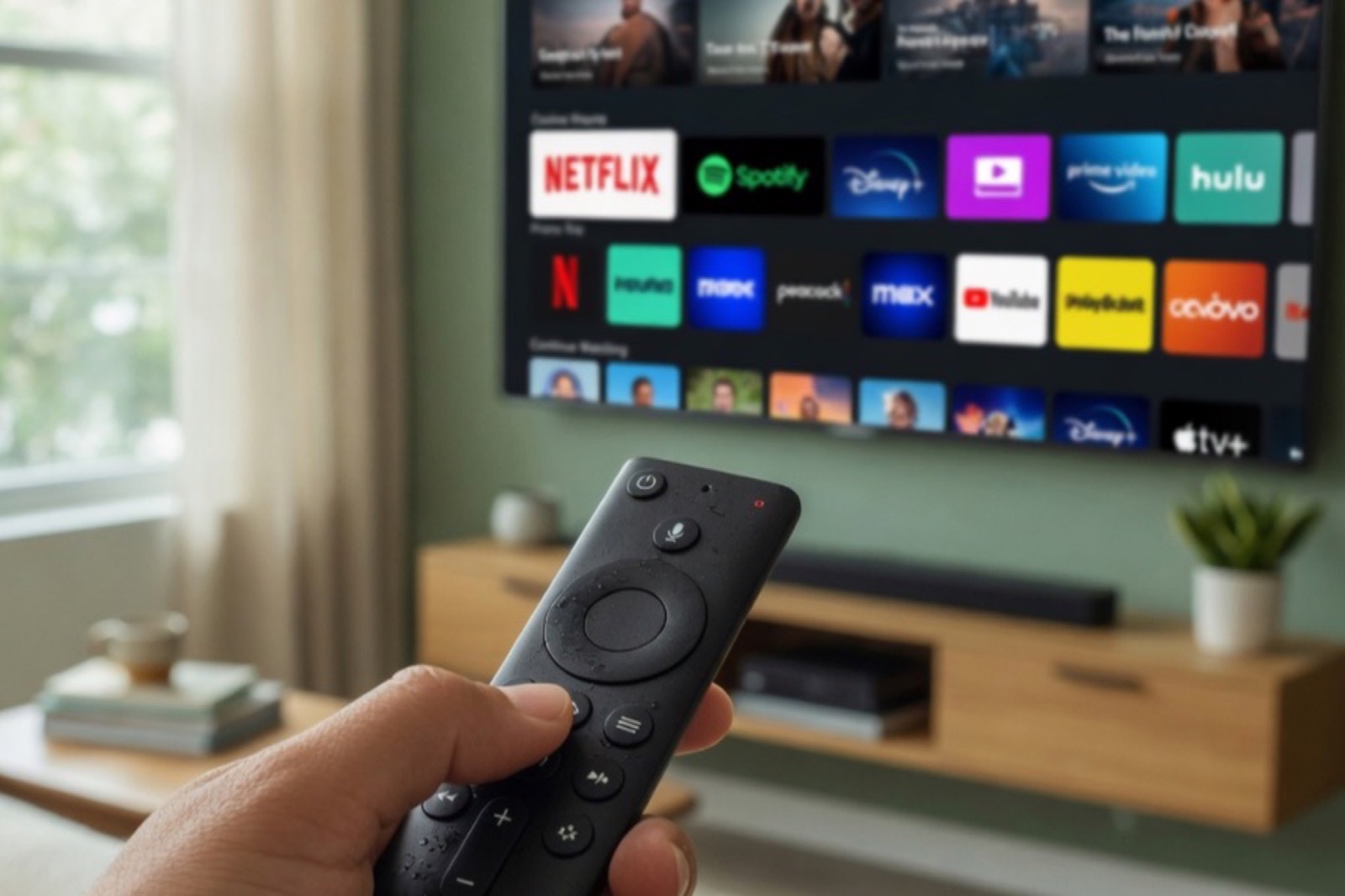
- OTT is the content. Streaming video delivered over the internet, on any device.
- CTV (connected TV) is the screen. A smart TV, or a TV with a streaming device plugged in like a Roku, Fire TV, or Apple TV.
- Streaming TV is the everyday phrase most people use for the whole thing.
Here's where they overlap: most OTT viewing happens on a connected TV in the living room. So a single ad is usually an OTT ad and a CTV ad at the same time. Watch the same show on your phone instead and it's still OTT, just not CTV, because a phone is not a TV. The short version: OTT vs CTV is a "what" vs "where" distinction, not two different products.
For a small-business owner, the honest takeaway is this: don't get stuck on the acronym. What changes your results is the targeting and the creative, not whether a marketer calls it OTT or CTV.
How OTT ads are bought and targeted
This is the part that surprises people. OTT is bought like digital advertising, not like the TV ads of the past. No upfront commitments. No insertion orders faxed to a station. No "we'll put you on at 2 a.m." pricing.
Two things make OTT targeting powerful:
- Location. You can target a specific city or a radius around a ZIP code, so a local shop only pays to reach households in its actual service area.
- Audience data. You can layer on first-party data about what people shop for and care about. On Trusted TV that means Amazon's shopping and interest audiences, so a pet groomer reaches pet owners, not everyone with a TV.
The ads themselves are usually non-skippable on premium streaming, so the full message plays instead of getting scrolled past. And because it's digital underneath, you can see what happened: views, how many people you reached, even how many clicked through. TV-quality attention with digital-style targeting and reporting. That's the whole pitch for OTT. If you're weighing it against social, our take on how Prime Video ads work walks through a real example.

What OTT ads cost
OTT is priced on a CPM, a cost per 1,000 views. That's the standard way every video channel gets compared, so it's worth knowing your number. Here's what it looks like on our platform, from real campaigns.
From our campaigns
Across real small-business campaigns on Trusted TV, the all-in cost averages about $42.50 per 1,000 views, and that figure already includes the commercial we make for free and the ongoing management. A typical four-week campaign earns around 9,100 views. One pattern we see over and over: the businesses that win treat the first 5 seconds like a hook. They lead with the offer, not the logo.
Trusted TV platform data, 2026. Medians shown.
Look at what's bundled into that CPM. With most providers, the media is just the start. Production and management get billed on top, and a single 30-second spot can cost hundreds to thousands of dollars to make before a penny goes to airtime. Here the creative is free and the management is included, so the number you see is the number you pay. Most small businesses run about $25 a day. For the full breakdown, see how much streaming TV advertising costs, or dig into the numbers in our 2026 small-business benchmark.
Is OTT right for a small business?
For a long time the answer was no. Not because OTT didn't work, but because it sat behind agencies, big minimums, and production costs only national brands could absorb. That barrier is gone. Today a local business can be on premium streaming for about the price of a modest daily budget, with the commercial built for it by AI, for free.
OTT tends to be a strong fit when:
- You serve a defined local area and want to reach households in it, not the whole country.
- You want the credibility of a real TV commercial without the production bill.
- You'd rather hold someone's full attention than compete in a scrollable feed.
- You want to start small, watch the numbers, and scale what works.
It's a weaker fit if you need an instant, bottom-of-funnel response this afternoon. Search ads still win that race. But for getting the right local customers to know you exist, OTT is hard to beat at this price. Ready to see it for your own business? You can build a free video and launch a campaign in minutes. The median business is live in about 41 minutes. You can also learn how to advertise on streaming TV or read more about streaming TV advertising for small business.
FAQ
What does OTT stand for in advertising?
OTT stands for "over-the-top." It means video delivered over the internet, on top of the old cable and satellite system. OTT advertising is the ads that run inside that streaming video, on apps like Prime Video, Hulu, Tubi, and Pluto TV.
What is the difference between OTT and CTV advertising?
OTT is the content: streaming video delivered over the internet. CTV (connected TV) is one of the screens that content plays on, like a smart TV or a streaming device such as Roku or Fire TV. Most OTT viewing happens on a CTV, so the same ad is often both an OTT ad and a CTV ad. For a small business, the distinction rarely changes what you actually do.
How much does OTT advertising cost?
OTT is sold on a CPM, a cost per 1,000 views. On Trusted TV the all-in CPM averages about $42.50 per 1,000 views, and that already includes the commercial we make for you and the campaign management. Most small businesses run about $25 a day.
Can a small business advertise on OTT?
Yes. OTT used to require an agency, a big minimum spend, and a production budget. Not anymore. With Trusted TV you can launch a campaign for about $25 a day, we make the commercial for free, and the median business goes from signup to live in about 41 minutes.
Are OTT ads skippable?
On premium ad-supported streaming, OTT ads are generally non-skippable. The whole 30-second message plays. That is a big reason the format holds attention better than a feed you can scroll past.
How is OTT advertising targeted?
OTT is bought like digital, not like old TV. You can target by location down to a ZIP-code radius and layer on first-party audiences. On Trusted TV that means Amazon shopping and interest data, so your ad reaches the right households instead of everyone with a TV. If you have a question this did not answer, email support@trustedtv.com.